
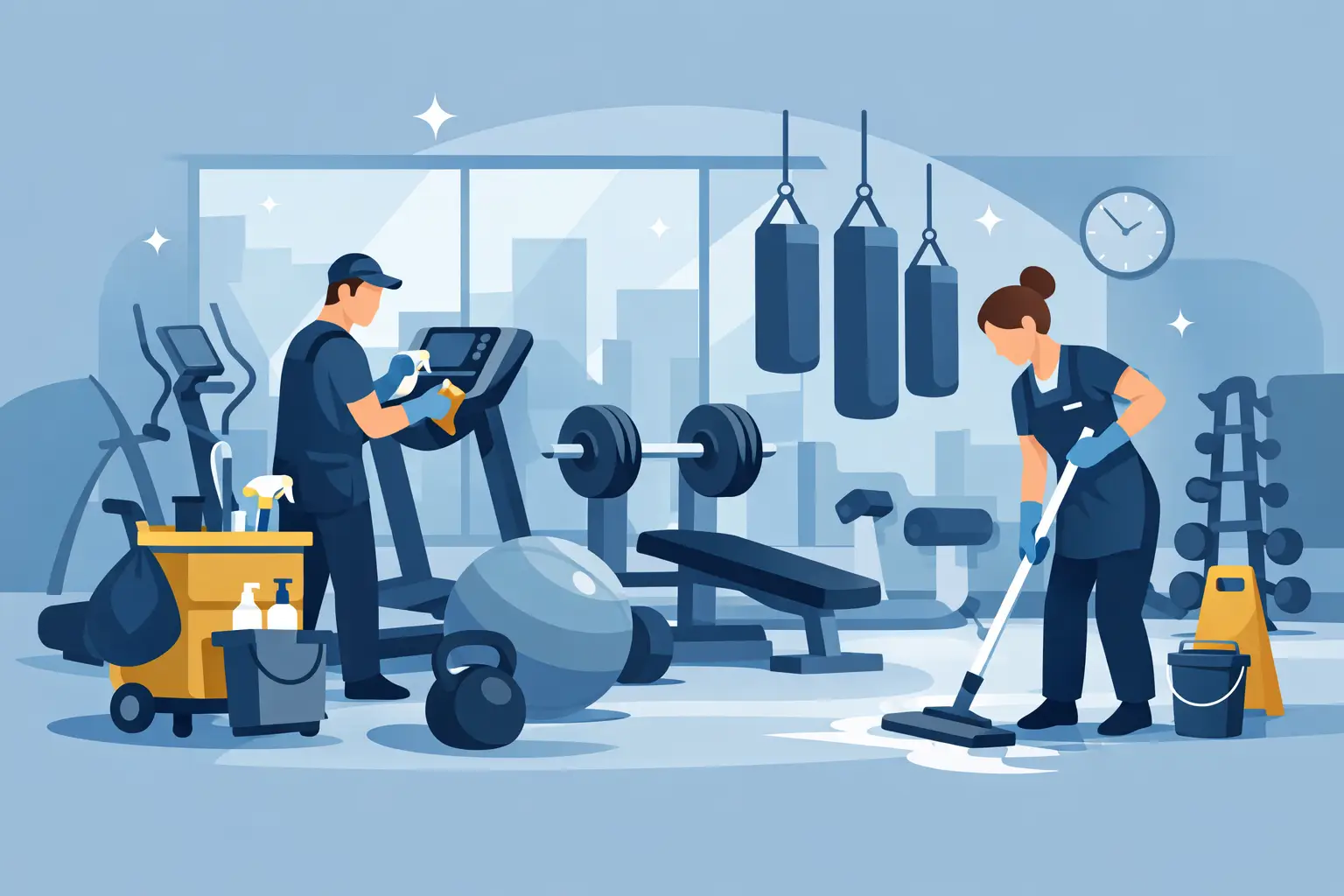

A gym can look clean at 6:00 a.m. and feel overused by 8:30. That is the reality of high-traffic fitness spaces. Sweat, skin contact, shared equipment, locker rooms, washrooms, and constant foot traffic create a cleaning environment that moves faster than standard janitorial routines. Gym cleaning services are not just about appearance. They support member safety, protect equipment, reduce complaints, and help operators maintain a professional facility without disrupting peak hours.
For gym owners, franchise operators, and facility managers, the challenge is not whether cleaning matters. It is whether the cleaning program actually matches how the space is used. A small neighborhood studio, a large commercial fitness center, and a recreation facility all have different sanitation demands. The right service plan accounts for traffic patterns, surface types, staffing realities, and scheduling constraints instead of applying the same checklist to every location.
What makes gym cleaning services different
Gyms combine several cleaning challenges in one facility. There are open workout floors with shared touchpoints, group fitness rooms with repeated turnover, reception areas that shape first impressions, and locker rooms where moisture and bacteria can build quickly. Add rubber flooring, mirrors, metal equipment, glass, showers, and laundry areas, and the result is a space that requires more than general office cleaning.
That difference matters because the risk profile is different. In an office, dust control and restroom cleaning may drive most of the workload. In a gym, the cleaning scope has to account for constant contact surfaces, odor control, bio-burden concerns, and wet areas that can become unsafe if neglected. Members notice these details immediately. If benches feel sticky, floors smell musty, or showers show buildup, trust drops fast.
Professional gym cleaning services should be designed around usage intensity. A 24-hour gym may need overnight service plus daytime porter support, while a private training studio might only need after-hours cleaning with added attention to mats and bathrooms. The point is not to over-clean every area equally. It is to clean the right areas at the right frequency.
The areas that usually need the most attention
The workout floor gets most of the attention, but it is rarely the only problem area. Cardio machines, weight benches, cable handles, free weights, and adjustment pins all collect heavy touch traffic. If they are not cleaned properly and consistently, grime builds up quickly and surfaces start to look worn before their time.
Locker rooms and restrooms are often where cleaning standards are judged most harshly. Members may tolerate a crowded gym, but they are less forgiving about dirty sinks, damp odors, soap residue, or trash overflow. These spaces need routine disinfection, replenishment, and close monitoring of floors, drains, partitions, and fixtures.
Studios for cycling, yoga, or group classes present another set of issues. Turnover can be fast, and classes may run back to back. Mats, floors, mirrors, and door hardware all need attention, but timing matters. Cleaning cannot interfere with class schedules or leave surfaces wet when the next session starts.
Reception areas, entrances, and common corridors also deserve attention because they frame the member experience. Dust on front desks, fingerprints on glass, and debris tracked through the lobby can make a well-run gym feel neglected. In most facilities, these are not the hardest areas to clean, but they are among the easiest for members to notice.
Why scheduling matters as much as technique
A strong cleaning result is not only about products and procedures. In fitness facilities, timing is often the difference between a clean gym and a disrupted one. Most operators need service that happens after hours, between traffic peaks, or in carefully defined windows that do not interrupt staff or members.
That is one reason customized scheduling matters. Some gyms need full nightly cleaning with periodic deep cleaning of locker rooms and flooring. Others benefit from a split schedule, where one crew handles after-hours work and another provides daytime support for restrooms, spills, touchpoint cleaning, and supply restocking. There is no single best setup. It depends on hours of operation, membership volume, available in-house staff, and the number of wet-use areas.
A generic cleaning plan often misses this. If a provider is used to standard commercial office cleaning, they may underestimate what a gym requires. High-touch disinfection, odor management, and moisture control need a more deliberate approach. That is especially true for facilities that market themselves on cleanliness, premium member experience, or wellness standards.
What to look for in a gym cleaning provider
When evaluating gym cleaning services, the first question should be whether the provider understands commercial fitness environments. Experience in gyms, recreation facilities, or other high-traffic hygiene-sensitive spaces usually translates into better planning and fewer operational gaps.
Training matters because gyms contain a mix of surface types and usage conditions. Rubber flooring, mirrors, electronics, stainless steel, tile, grout, and upholstered equipment all require the right methods. Overusing harsh chemicals can damage finishes or leave residue. Under-cleaning leaves behind the problems members actually notice.
Consistency is just as important as capability. A provider may perform well on the first visit, but contract cleaning succeeds when standards are repeatable. That usually means documented scope, clear communication, site-specific instructions, insured staff, and a quality control process that does not depend on guesswork.
Responsiveness should also be part of the decision. Gyms operate in real time. A spill, equipment issue, supply shortage, or locker room complaint may need quick attention. Vendors that communicate clearly and adjust when needed tend to support operations better than those offering a rigid package.
The value of a customized gym cleaning plan
Facility-specific planning is where many cleaning programs either hold up or start to fail. A customized plan should account for member volume, layout, operating hours, service frequency, and the areas that drive the most complaints or risk. It should also define what happens daily, what happens several times a week, and what should be deep cleaned on a scheduled basis.
For example, a high-volume gym may need more frequent restroom checks and heavier attention to locker room floors, while a boutique studio may place greater emphasis on mirrors, reception presentation, and quick turnover between classes. A multi-use athletic facility may require a broader scope that includes common areas, training rooms, offices, and spectator spaces.
This is also where expectations should be set clearly. Some tasks need daily execution. Others are periodic by nature, such as machine detailing, high dusting, floor scrubbing, or grout-focused cleaning. When the scope is mapped realistically, operators are less likely to run into frustration caused by assumptions on either side.
Gym cleaning services and member perception
Cleanliness has a direct effect on retention, even if members do not always say it out loud. People expect fitness spaces to be sanitary. If a gym smells off, has visible residue on equipment, or shows repeated neglect in washrooms, members start to question what else is being missed.
That does not mean a facility must look untouched at every moment. During busy periods, some wear is unavoidable. What members usually want is evidence of control – stocked supplies, clean restrooms, wiped surfaces, managed trash, and floors that do not feel neglected. The goal is not perfection at every minute. The goal is a standard that remains visible throughout the day.
For operators, that standard also supports staff efficiency. Front desk teams and trainers should not be pulled constantly into cleaning tasks that belong in a formal janitorial plan. When cleaning is handled professionally and on schedule, internal teams can stay focused on service, sales, and member support.
Choosing a long-term cleaning partner
The best vendor relationship is built around operational fit, not just price. Low-cost service can become expensive if standards slip, complaints increase, or management has to spend time following up on missed tasks. A dependable provider helps reduce that friction.
That is why many facilities look for a partner that can scale service over time. Membership changes, seasonal traffic shifts, expansion, and new programming all affect cleaning demands. A provider that can adjust frequency, add services, or support after-hours work is often better suited for long-term value than one offering a fixed generic package.
For gyms in busy markets, that flexibility is especially useful. Companies like Pristine Maintenance and Services approach commercial environments with site-specific planning, which is exactly what fitness facilities often need when standard janitorial routines fall short.
Clean gyms do more than look professional. They support safer operations, stronger member confidence, and fewer day-to-day distractions for management. When the cleaning plan reflects how the facility actually runs, it stops being a background issue and starts working as part of the operation.



0 Comments