
A facility can look clean at 8 a.m. and still carry the kind of contamination that creates problems by noon. That is why disinfection and sterilization services matter in commercial environments where surfaces, tools, shared spaces, and high-touch points are used constantly. For business owners, property managers, and facility teams, the real question is not whether sanitation matters. It is whether the service plan matches the risks inside the building.
In many commercial settings, basic cleaning is only one part of the picture. Dust removal, trash collection, and floor care improve appearance and day-to-day upkeep, but they do not always address microbial contamination. When a building serves patients, students, tenants, employees, customers, or the public, hygiene expectations become operational requirements. That is especially true in medical spaces, schools, daycares, gyms, food-service areas, and high-traffic offices.
What disinfection and sterilization services actually cover
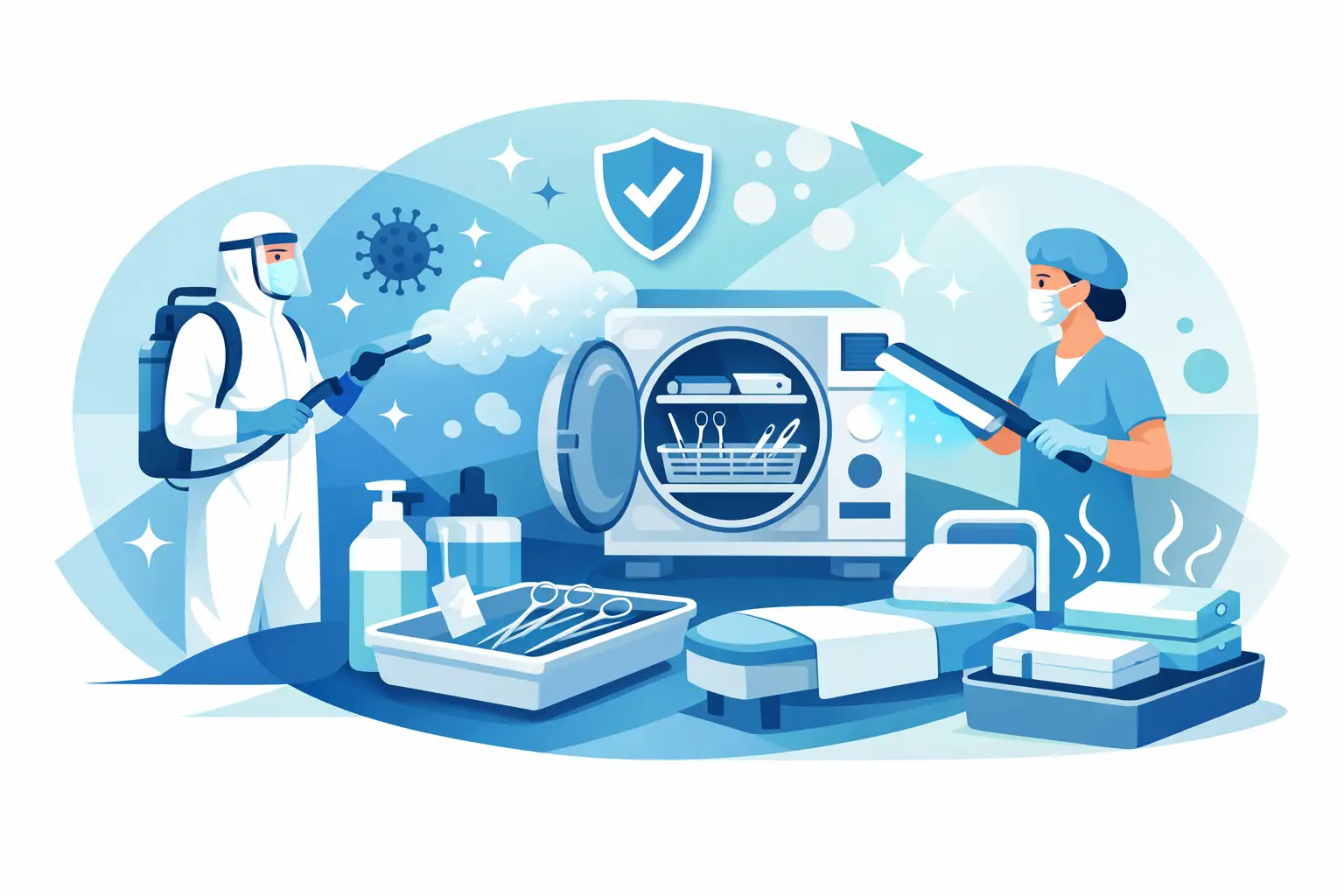
Disinfection and sterilization are often grouped together, but they are not the same thing. Understanding the difference helps decision-makers choose the right level of service instead of paying for the wrong scope or assuming one process covers everything.
Disinfection is the process of reducing or eliminating many harmful microorganisms on surfaces using approved chemicals and established contact times. In commercial buildings, this usually applies to high-touch surfaces such as door handles, counters, light switches, desks, restroom fixtures, shared equipment, elevator buttons, and breakroom areas. It is a practical and necessary service for a wide range of occupied spaces.
Sterilization is a stricter standard. It is intended to eliminate all forms of microbial life, including bacterial spores, and is generally associated with controlled environments, specialized equipment, and regulated workflows. In most everyday commercial facilities, full sterilization is not needed across the entire building. It may apply only to specific tools, rooms, or operational processes, particularly in clinical, laboratory, or other health-sensitive settings.
That distinction matters. A general office may need routine disinfection of shared surfaces and restrooms. A medical clinic may require disinfection throughout patient-facing areas, with sterilization protocols limited to instruments or designated treatment environments. A daycare may need frequent disinfection because of close contact and shared toys, but not building-wide sterilization. The correct approach depends on use, occupancy, and exposure risk.
Where disinfection and sterilization services make the biggest difference
The need for enhanced sanitation is not limited to one industry. It shows up anywhere people gather, touch common surfaces, or work in environments where contamination can disrupt operations.
In office settings, the main concern is usually reducing cross-contact in shared areas while maintaining a professional environment for employees and visitors. Conference rooms, kitchens, restrooms, reception counters, and shared desks tend to require consistent disinfection, especially during seasonal illness spikes or after a known exposure.
In medical and dental facilities, expectations are much higher. Patient turnover, treatment spaces, waiting rooms, and staff work areas require more frequent and more controlled sanitation practices. The same is true for daycares and schools, where close contact, shared materials, and frequent touchpoints increase transmission risk.
Industrial sites and warehouses present a different challenge. The concern may not be patient safety, but operational continuity. Shared equipment, clocks, breakrooms, locker areas, and restrooms can quickly become hotspots in facilities with multiple shifts. In restaurants and food-adjacent spaces, sanitation also supports public health requirements and customer confidence. In gyms, moisture, skin contact, and shared equipment create obvious hygiene risks.
Each of these environments benefits from a site-specific program rather than a generic checklist.
Why a customized service plan matters
The biggest mistake in sanitation planning is treating every building the same. A disinfection program that works in a corporate office may be insufficient for a clinic and excessive for a low-traffic administrative space. Effective service starts with an honest assessment of how the building is used.
Traffic patterns matter. So do occupancy levels, hours of operation, vulnerable populations, inspection requirements, and the number of shared surfaces in active use. The cleaning products used also matter, because different materials and surfaces may require different methods to avoid damage while still meeting hygiene goals.
Scheduling is another practical factor. Many businesses need after-hours service so sanitizing work can be completed thoroughly without interrupting staff, patients, tenants, or customers. That is often the difference between a service plan that sounds good on paper and one that works in the real world.
A customized program should also account for frequency. Some buildings need daily touchpoint disinfection and periodic deeper sanitation. Others may need recurring service in core areas and response-based support after incidents, outbreaks, or high-traffic events. There is no single correct frequency for every site.
What to expect from a professional provider
When businesses evaluate disinfection and sterilization services, they should look beyond the basic promise of a clean facility. The provider should be able to explain the scope clearly, identify which areas require which level of treatment, and document a process that aligns with the facility type.
Training is essential. Staff should understand product handling, dwell times, safe application methods, cross-contamination prevention, and the difference between routine cleaning and targeted disinfection. In sensitive environments, poor technique can create a false sense of security. A surface wiped too quickly or treated with the wrong product may appear clean while failing to meet sanitation expectations.
Insurance and reliability also matter. Commercial clients are not looking for casual support. They need a service partner that can work within operational schedules, building access procedures, and compliance expectations. That includes clear communication, consistent staffing, and the ability to adapt when conditions change.
For many facilities, documentation is part of the value. Property managers, administrators, and operations teams often need service records, task accountability, or proof that sanitation procedures are being followed as agreed. This is especially relevant in regulated or publicly visible environments.
Trade-offs businesses should think through
More sanitation is not always better if it is applied without purpose. Overusing certain chemicals can create surface wear, strong odors, or compatibility issues with equipment and finishes. On the other hand, under-scoping the service can leave real hygiene gaps in areas that see constant contact.
There is also a balance between speed and effectiveness. Quick wipe-downs may satisfy appearance standards but fall short of proper disinfection if contact times are ignored. A thorough program takes planning, product knowledge, and enough labor time to do the work correctly.
Budget plays a role, but it should be considered in context. A lower-cost vendor may reduce frequency, shorten task time, or use a general approach that does not fit the facility. For a business trying to avoid complaints, downtime, contamination concerns, or reputational issues, the cheapest option can become the most expensive.
The better question is whether the service level supports the building’s actual needs.
How to choose disinfection and sterilization services
Start with the facility profile. Consider who uses the space, what areas are high-touch, whether there are health-sensitive operations, and what level of documentation or responsiveness your team requires. Then ask a provider how they would adjust the program for your environment rather than offering a fixed package.
A strong provider should ask practical questions about traffic, schedules, occupancy, and risk points. They should be able to separate routine janitorial tasks from disinfection work and explain where sterilization may or may not be appropriate. If every building receives the same scope, that is usually a sign the service is not being tailored properly.
It is also worth asking how the work is scheduled around your operation. For most businesses, sanitation should support productivity, not interfere with it. After-hours availability, flexible service windows, and reliable communication are not extras. They are part of what makes the service useful.
For businesses across Toronto and the GTA, Pristine Maintenance and Services approaches sanitation with that operational mindset – matching service plans to the facility, the industry, and the way the building actually functions.
A cleaner facility should also be a safer one
The best sanitation programs do more than make a space look presentable. They reduce risk, support occupant confidence, and help facilities operate without unnecessary disruption. Whether you manage an office, clinic, school, warehouse, gym, restaurant, or mixed-use property, the value of disinfection and sterilization services comes from choosing the right level of care for the space you run.
When the scope is tailored, the products are used correctly, and the schedule fits your operation, sanitation becomes part of good facility management rather than a reactive expense. That is where the service delivers real value – not just on inspection day, but every day your building is open.

0 Comments