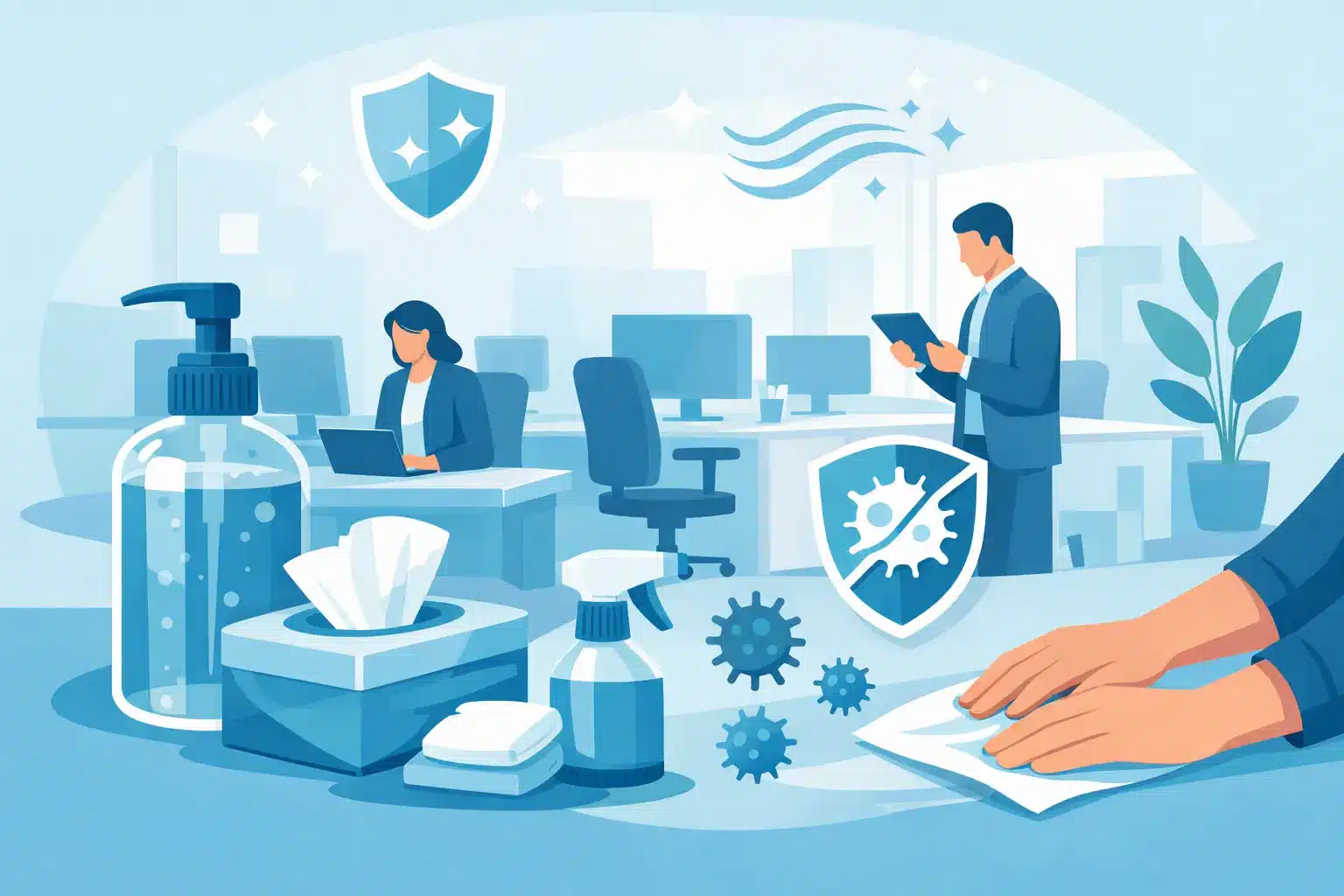

A single shared door handle can be touched dozens of times before lunch. Add elevator buttons, breakroom appliances, restroom fixtures, keyboards, and reception counters, and it becomes clear why a general cleaning routine is not enough. Knowing how to reduce workplace germs means focusing cleaning effort where people interact most, while keeping the workday moving without unnecessary disruption.
For facility managers and business owners, the goal is not to create a visibly spotless space once in a while. It is to maintain a consistent cleaning and disinfection program that supports staff, visitors, tenants, customers, and daily operations.
Start With a Facility-Specific Risk Assessment
Workplace germs do not spread the same way in every building. A corporate office with hybrid staff has different pressure points than a daycare, medical clinic, warehouse, restaurant, or condominium common area. A useful program begins by identifying how people move through the space, which areas receive the most contact, and where hygiene failures would have the greatest impact.
Entrance doors, reception counters, restrooms, breakrooms, shared workstations, meeting rooms, and elevator areas are common priorities. However, each facility also has its own concerns. In a gym, equipment handles and locker rooms may require frequent attention. In a warehouse, time clocks, handheld scanners, forklift controls, and lunch areas can become high-touch zones. A clinic may need stricter procedures for exam rooms, waiting areas, and treatment-adjacent surfaces.
Walk the site at different times of day if possible. The busiest period may reveal surfaces that are not obvious during a quiet inspection. This assessment should determine what needs routine cleaning, what requires disinfection, how often each task is needed, and when the work can be completed with the least interruption.
Clean First, Then Disinfect Where It Matters
Cleaning and disinfecting serve different purposes. Cleaning removes dirt, residue, and some microorganisms from surfaces. Disinfecting uses an appropriate product and process to reduce germs on hard, nonporous surfaces. A desk that looks clean may still need disinfection if it is shared frequently, but disinfectant is less effective when applied over visible soil or buildup.
The right approach depends on the surface, the level of traffic, and the environment. High-touch areas in a busy office may need attention several times each day, while a low-use storage room may only require routine cleaning. Applying disinfectant everywhere, every day, can waste time and product, expose surfaces to unnecessary chemical use, and create avoidable disruption.
Staff should use approved products according to label directions, including the required contact time. Wiping a surface dry immediately after applying disinfectant may prevent the product from doing its intended job. Product compatibility also matters. Some materials, electronics, finishes, and food-contact surfaces require specific methods or follow-up steps.
Prioritize High-Touch Surfaces Throughout the Day
A nightly janitorial service is valuable, but germs can build up during operating hours. The most effective plans include daytime attention for the surfaces people repeatedly touch.
High-touch surfaces typically include:
- Door handles, push plates, lock hardware, and access-card readers
- Elevator buttons, light switches, railings, and intercoms
- Reception counters, payment terminals, pens, clipboards, and visitor kiosks
- Shared printers, copier controls, phones, keyboards, and conference-room equipment
- Breakroom tables, refrigerator handles, microwave buttons, coffee machines, and sink fixtures
- Restroom doors, flush handles, faucets, dispensers, and stall latches
The frequency should reflect actual use. A tenant lobby, school hallway, or customer-facing retail counter may need several service checks daily. A small office with limited visitors may rely on a focused mid-day wipe-down and thorough after-hours service. The program should be easy to adjust when occupancy, seasonal illness, or a special event increases traffic.
Improve Shared-Space Habits
Cleaning teams carry a major part of the workload, but building occupants also influence results. Clear, practical expectations help reduce contamination between scheduled service visits without making employees feel policed.
Keep hand hygiene supplies accessible near entrances, restrooms, breakrooms, and shared equipment. Stock soap, paper towels, hand sanitizer, tissues, and waste containers before they run low. A sanitizer dispenser mounted where people naturally pass is more likely to be used than one placed in a back corner.
Shared desk policies also make a difference. Employees using hoteling stations or shared equipment should clear food, personal items, and paper clutter at the end of a shift so surfaces can be cleaned properly. In breakrooms, encourage people to wipe spills promptly and avoid leaving uncovered food or used dishes overnight. These small habits reduce the conditions that make a workspace harder to sanitize.
Communication should be straightforward. A brief reminder during cold and flu season, a sign near a shared coffee station, or a simple workplace policy for staying home when sick can be more effective than broad messaging that no one reads.
Give Restrooms and Breakrooms Extra Attention
Restrooms and food areas need more than a quick visual check. They are high-use spaces where poor maintenance is noticed quickly by employees, customers, tenants, and visitors. More importantly, inadequate cleaning in these areas can increase hygiene concerns across the facility.
Restroom service should address fixtures, partitions, dispensers, door hardware, floors, waste receptacles, and touchpoints. It should also include restocking and inspection, because an empty soap dispenser undermines every other hygiene measure in the room. In high-traffic locations, service logs can help verify that checks occur on schedule.
Breakrooms require attention to both surfaces and behavior. Crumbs, spills, food residue, and overflowing trash can attract pests and make cleaning less effective. Regular cleaning of tables, counters, appliances, sinks, and cabinet handles helps manage germs while maintaining a professional environment for staff.
Use Better Tools and Prevent Cross-Contamination
A cleaning program can fail if the same cloth, mop, or equipment is moved carelessly between areas. Cross-contamination is a real operational risk, especially in restrooms, food areas, clinics, schools, and high-traffic common spaces.
Color-coded microfiber cloths and mop systems can separate restroom tools from general office or breakroom tools. Microfiber is effective because it captures soil and particles efficiently when used correctly, but it still needs proper laundering and replacement. Reusable tools should be cleaned and maintained between shifts, while disposable materials may be appropriate for certain contamination events or sensitive environments.
Equipment should be selected for the facility rather than chosen for convenience alone. For example, a large floor machine may be efficient in a warehouse but impractical in a narrow medical office. Electrostatic application can be useful for certain disinfection needs, but it does not replace manual cleaning of soiled surfaces or careful treatment of high-touch points.
Build Cleaning Around Your Operating Schedule
The best hygiene plan is one that can be performed consistently. For many businesses, after-hours commercial cleaning is the most practical option because it allows detailed work to be completed without interrupting staff, customers, or visitors. Daytime porters or scheduled daytime cleaning may be necessary for restrooms, lobbies, lunchrooms, and other spaces that need ongoing care.
A blended schedule often works well: thorough after-hours cleaning, targeted daytime touchpoint disinfection, and additional service during high-traffic periods. This model allows facility leaders to protect hygiene standards without turning cleaning activity into a constant distraction.
Consistency also requires accountability. Cleaning checklists, supervisor inspections, supply monitoring, and clear reporting help ensure that the program is performed as planned. If a facility has regulated requirements or sensitive populations, procedures should be documented and reviewed regularly.
Know When to Increase Cleaning Frequency
Routine schedules should not be fixed forever. Increase service when absenteeism rises, a contagious illness is reported, weather creates heavy soil at entrances, occupancy changes, or a major event brings in additional visitors. The response does not always need to be a full-building disinfection. Often, targeted cleaning of affected areas and increased attention to shared surfaces is the practical choice.
Facility managers should also distinguish between routine prevention and incident response. A spill, bodily fluid event, pest concern, or suspected outbreak may require specialized procedures, protective equipment, and trained personnel. Addressing those situations quickly and correctly protects both occupants and cleaning staff.
A cleaner workplace is built through steady execution rather than occasional intensive efforts. When cleaning schedules, staff habits, supplies, and facility needs work together, germ control becomes part of normal operations – not a disruption to them.
0 Comments